Dual protagonists and character roles
Main storyline and narrative structure
Combat mechanics and weapon systems
Exploration and open world environment
Quests and dynamic world events
Armor and gear progression
Skill trees and customization
Hidden lore mythology and secret areas
Post launch content and replayability
Introduction to Assassin’s Creed Shadows
Assassin’s Creed Shadows marks the next major evolution in the iconic franchise, bringing players to the heart of feudal Japan a setting long requested by fans. With its unique blend of stealth, open-world exploration, and historical fiction, this entry promises a deeply immersive and culturally rich experience unlike any previous title.
Ubisoft aims to fully capture the atmosphere of late 16th-century Japan, a time of political upheaval, clan warfare, and the rise of both samurai and shinobi. This isn’t just a new location it’s a bold new direction for the series, grounded in cinematic storytelling, tactical gameplay, and a world filled with moral ambiguity.
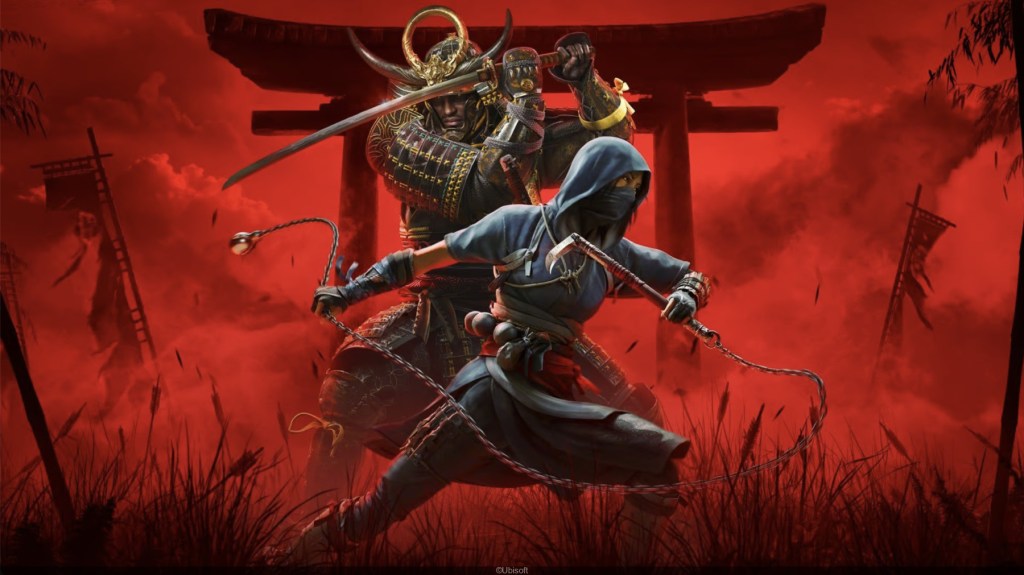
What truly sets Assassin’s Creed Shadows apart is its dual protagonist system. Players will step into the shoes of a masterless samurai (ronin) and a stealthy shinobi (ninja), switching between their unique perspectives and playstyles. Their intertwined stories create a dynamic narrative, layered with personal conflict and ideological struggle the classic Templar vs. Assassin tension, now reimagined through the lens of bushido and rebellion.
Whether you prefer silent infiltration or face-to-face combat, Shadows offers multiple ways to play all within a living, reactive world where every action influences your journey.
Setting and historical era
The game is set during the turbulent Sengoku period, a time of near-constant civil war in Japan. This era, rich in political drama and military conflict, forms a perfect backdrop for the Assassin’s Creed narrative. Players will witness the fall of old regimes, the emergence of new powers, and the slow march toward unification under the Tokugawa shogunate.
Ubisoft has placed strong emphasis on authenticity. From architecture and traditional clothing to the intricate social structures of the time, the world is built to reflect Japan’s cultural depth and historical reality. Players can expect to explore mountain shrines, war-torn villages, dense forests, and fortified castles each with its own secrets, quests, and atmosphere.
What makes this entry unique
What makes Assassin’s Creed Shadows stand out from previous entries is its commitment to duality. The ronin and shinobi aren’t just characters they represent two paths, two philosophies, and two playstyles.
For the first time in the series, you’ll experience missions from contrasting viewpoints, making choices that affect not only the world around you but also the personal evolution of each character. The shinobi thrives in the shadows, using distraction, gadgets, and agility. The ronin, on the other hand, brings raw power, dueling skill, and a code of honor into every encounter.
Beyond gameplay mechanics, Shadows introduces environmental storytelling at a new level. Weather patterns, time of day, and NPC routines change dynamically, offering both gameplay advantages and a more immersive feel.
This entry is not just a new chapter in Assassin’s Creed it’s a reinvention of the franchise’s soul through the lens of one of the most iconic historical settings ever imagined.
Dual protagonists and character roles
One of the most defining features of Assassin’s Creed Shadows is its dual protagonist system, which sets a new benchmark in the franchise. Instead of following a single narrative path, players are introduced to two distinct heroes: a cunning shinobi and a wandering ronin. Each brings their own motivations, playstyles, and moral dilemmas to the story, allowing players to view events from different perspectives and shaping a richer, more complex world.
This approach adds variety not only to the gameplay but also to the emotional tone of the experience. Players won’t just witness historical events they’ll live through them from two different angles, challenging assumptions and adding depth to the choices they make.
The path of stealth and espionage
The shinobi character embodies stealth, agility, and intelligence. Trained in the arts of infiltration, deception, and sabotage, the shinobi is perfectly suited for players who prefer avoiding open combat. Whether it’s sneaking past guards using rooftops and shadows, setting traps, or gathering intelligence for future strikes, this character offers a thrilling, methodical style of play.
As a shinobi, you’ll gain access to tools like throwing knives, smoke bombs, rope hooks, and distraction gadgets. Missions often require careful observation, environmental awareness, and patience rewarding players who think ahead and strike with precision.
The shinobi’s journey is deeply personal, tied to the darker, hidden sides of the conflict. Betrayals, moral ambiguity, and operating in the gray areas between right and wrong are central themes, giving the character emotional depth and complexity.
Honor strength and conflict
In stark contrast, the ronin is a masterless samurai driven by inner turmoil and a desire for redemption. He walks a path of power, loyalty, and unflinching strength the perfect choice for players who enjoy direct confrontation, duels, and brutal melee combat.
The ronin’s gameplay centers on traditional swordsmanship, defensive stances, parrying, and overpowering enemies. Equipped with katanas, heavy armor, and a deep understanding of battlefield tactics, the ronin is the anchor in large-scale conflicts and boss fights.
But the ronin isn’t just a warrior. His story explores honor, legacy, and the internal struggle of living without a master in a world ruled by codes and expectations. He questions tradition while defending what remains of it, offering a deeply emotional narrative that complements the shinobi’s clandestine journey.
Switching between characters during gameplay
Players will be able to switch between the shinobi and ronin at certain points during gameplay. While story missions may require one specific character, the open world allows for flexible choice depending on the situation or player preference.
This switching mechanic enhances replayability and strategic depth. For example, infiltrating a fortress might be easier as the shinobi, while reclaiming a village under enemy control might favor the ronin’s brute strength. As the story unfolds, players will also see how their actions as one character influence the other both in world-state and in personal narrative arcs.
This dynamic storytelling structure ensures that Assassin’s Creed Shadows stays engaging from start to finish, blending stealth, action, and dual perspective into a seamless and immersive adventure.
Main storyline and narrative structure
The main storyline of Assassin’s Creed Shadows unfolds within the chaotic and often brutal world of late Sengoku-era Japan a time defined by political upheaval, power struggles, and shifting alliances. In this world of blurred loyalties and simmering rebellion, the game delivers a narrative rich in historical weight and emotional depth.
At its core, the story is about balance between stealth and honor, between tradition and change, and between two protagonists whose lives are on a collision course. While their paths differ in method and ideology, both are drawn into a larger conflict where shadowy forces seek to reshape the future of Japan.
Unlike some past entries in the series, Shadows places narrative at the forefront, with carefully woven arcs that intertwine historical figures, fictional characters, and the long-standing war between Assassins and Templars. The pacing balances intense action sequences with quiet moments of reflection, and every decision the player makes from dialogue choices to mission outcomes feeds back into how the story unfolds.
The use of dual protagonists means players will get both personal and global perspectives. Their individual storylines cross, clash, and support one another, adding emotional nuance that makes every mission feel consequential.
The rise of the templar threat in feudal Japan
In the shadows of war and unrest, the Templars have found fertile ground to spread their ideology. Disguised as advisors, merchants, and warlords, they infiltrate the power structures of feudal Japan, manipulating local leaders and steering political decisions from behind the scenes.
Their goal is control not just over land, but over minds and beliefs. They see Japan’s fractured state as an opportunity to unite it under a new, rigid order, where free will is suppressed for the sake of “peace.” As the ronin and shinobi, players gradually uncover this threat, peeling back layers of influence that reach from the emperor’s court to remote villages in the mountains.
This conflict is more than physical. It’s philosophical. The player must decide how to dismantle Templar power: through violent resistance, silent subversion, or perhaps a mixture of both. This ideological battle mirrors Japan’s own struggle during the time between modern governance and ancient traditions, between order and chaos.
The presence of Templar agents is felt throughout the game world. Corrupted towns, secret prisons, rigged elections, and betrayals all tie back to their growing grip. The story constantly asks: how do you fight a threat that hides behind the very systems meant to protect people?
Personal arcs morality and player choices
Beneath the global struggle lies something just as compelling: the personal journeys of the two protagonists. The shinobi and ronin are not heroes in the traditional sense. They are broken, haunted, and searching for meaning in a world that offers little redemption.
Their quests are deeply personal. The shinobi grapples with the cost of living in the shadows, questioning whether the ends justify the means. The ronin, meanwhile, battles inner demons tied to loss, legacy, and the disillusionment of a fallen warrior.
What sets Assassin’s Creed Shadows apart is its use of player choices to shape these arcs. Conversations, side quests, and moral decisions change how NPCs respond, how missions resolve, and even which allies live or die. The story adapts, giving each playthrough a unique emotional texture.
Morality in Shadows isn’t black and white. It’s gray, full of uncomfortable truths and unresolved tensions. Sometimes doing the right thing leads to greater loss. Sometimes betrayal feels justified. And sometimes the only real choice is which consequence you can live with.
Through this system, the game doesn’t just tell a story it invites players to live one, shaped by their values, fears, and hopes. It’s an emotional journey as much as a historical one, making the narrative of Assassin’s Creed Shadows one of the most mature and resonant in the series.
Combat mechanics and weapon systems
Assassin’s Creed Shadows reimagines combat with a sharper focus on style, strategy, and authenticity. The game offers a deeply immersive fighting experience that reflects the contrasting philosophies of its two main characters the precise, disciplined ronin and the elusive, cunning shinobi. Combat is no longer just about power; it’s about purpose, preparation, and presence.
Unlike the more arcade-like feel of some earlier entries, Shadows introduces mechanics that reward timing, positioning, and adaptability. Weapon weight, enemy armor, and environmental context all matter, demanding that players approach each encounter with intent. Whether engaging in an honorable duel or ambushing enemies from the treetops, every move feels impactful.
Melee combat and katana variants
Melee combat is where Shadows truly shines. Playing as the ronin, you’ll wield traditional Japanese swords like katanas, nodachis, and wakizashis, each offering a distinct rhythm and use-case. The katana, for instance, favors balanced, mid-range attacks, perfect for one-on-one duels. Heavier nodachis excel in crowd control, while wakizashis offer quick, close-quarters slicing.
The stance system lets players shift between defensive and aggressive postures, adapting to different enemy types whether it’s armored soldiers, agile bandits, or elite Templar knights. Parrying and counterattacks are central, with a strong emphasis on reading your opponent’s intent and striking at the perfect moment. Combat isn’t about button mashing it’s about mastering the blade.
Each weapon can be upgraded or enhanced with found or crafted materials. Some rare swords are tied to legendary warriors and come with built-in passive effects or enhanced finishers, offering unique advantages in battle.
Stealth tools traps and environmental kills
For those who prefer subtlety, the shinobi gameplay path is rich with tactical options. Stealth has evolved into a layered system with multiple tools designed to mislead, disable, or quietly eliminate foes.
Smoke bombs obscure vision and allow for quick escapes or chain assassinations. Throwing stars (shuriken) can silently disable distant threats. Tripwire traps and caltrops disrupt enemy patrols or delay pursuit. Rope darts and grappling hooks create opportunities for vertical attacks from trees, rooftops, or cliffs.
Environmental kills make a triumphant return, allowing players to manipulate the world around them collapsing lanterns, breaking support beams, poisoning food supplies turning nature itself into a deadly ally. Shadows challenges players to be creative, observant, and deliberate when plotting their approach.
Enemy AI is more reactive than ever. Guards will investigate suspicious noises, track footprints in mud or snow, and adapt to your tactics. This makes each infiltration feel unique and personal success is earned, not given.
Ranged options and precision attacks
Ranged combat is more refined, with traditional Japanese weaponry like yumi bows, hand cannons, kunai, and even early matchlock rifles playing a role. Each ranged weapon has its own arc, speed, and utility.
The longbow excels at picking off enemies from afar, especially with headshots. Shortbows offer faster firing rates for close skirmishes. Specialized arrows fire, poison, distraction allow for tactical creativity. The ronin may wield heavier ranged options, while the shinobi favors mobility and silence.
Targeting feels weighty and deliberate. Hitting vital points matters, and precision is rewarded with devastating critical hits. Silent takedowns from afar are satisfying, especially when paired with the game’s reactive environments a well-placed arrow might knock over a firepot or explode a barrel, causing chaos in an enemy camp.
Whether you prefer direct confrontation or strategic manipulation, Assassin’s Creed Shadows offers a flexible and deeply rewarding combat experience that brings ancient Japanese warfare to life.
Exploration and open world environment
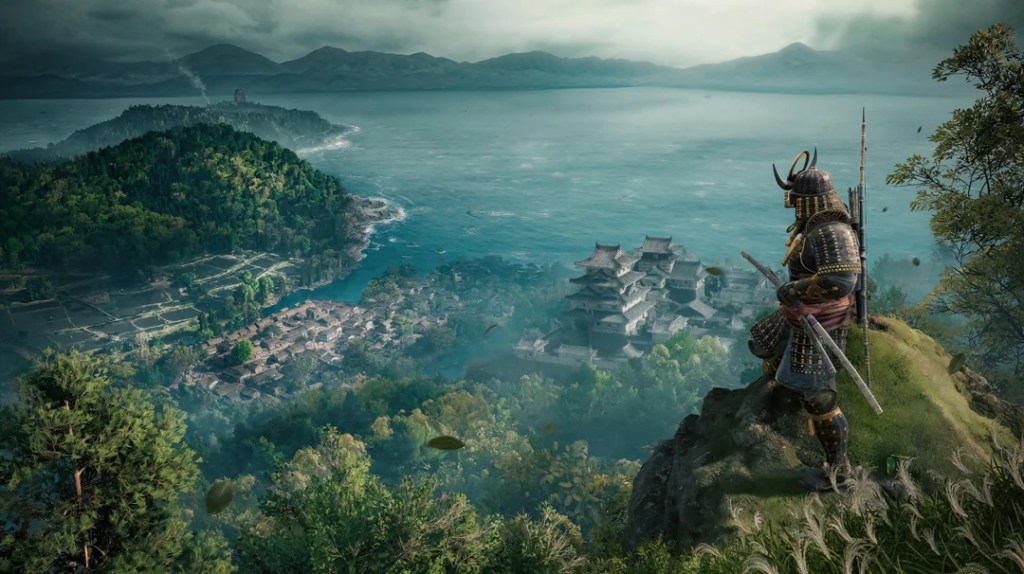
One of the most captivating aspects of Assassin’s Creed Shadows is its richly detailed and immersive open world. Set in feudal Japan, the game invites players to explore a living, breathing landscape shaped by history, mythology, and conflict. From tranquil countryside villages to war-torn provinces and towering mountain fortresses, every location is designed with purpose and atmosphere.
Exploration in Shadows isn’t just about covering distance it’s about uncovering stories. The environment reacts to your actions, hides secrets in plain sight, and offers dynamic pathways to every objective. Whether you’re riding along a misty bamboo trail or sneaking through storm-lashed rooftops, the game constantly rewards curiosity and attention to detail.
Key regions and landscapes to discover
The world map of Assassin’s Creed Shadows is a patchwork of distinct and historically inspired regions, each offering unique terrain, architecture, and culture. You’ll venture through dense pine forests in the north, rice paddies that stretch across quiet valleys, and sacred temple grounds hidden deep within the mountains.
Cities like Kyoto serve as vibrant hubs of politics and trade, filled with side quests, market alleys, and hidden rebel safe houses. Coastal towns bustle with fisherfolk and ronin mercenaries, while the highlands host fortified castles ruled by ambitious warlords. Every area is crafted with environmental storytelling a burned village, a roadside shrine, or an abandoned battlefield can all hint at deeper lore.
Beyond towns and landmarks, players will stumble upon secret caves, haunted groves, and forgotten shrines that tie into both side content and the overarching narrative. Collectibles, hidden scrolls, and unique encounters deepen your understanding of the setting and its people.
Fast travel vertical navigation and dynamic weather
To support such a vast world, Shadows introduces a streamlined fast travel system. Shrines, watchtowers, and rebel hideouts act as teleportation points once discovered, allowing you to jump quickly across the map while preserving immersion through authentic world design.
Vertical navigation has been greatly enhanced. Grappling hooks and climbing mechanics give players more freedom to ascend rooftops, scale cliffs, or infiltrate enemy compounds from above. The environment is built with multiple layers in mind rooftops, tunnels, tree branches making every approach customizable and replayable.
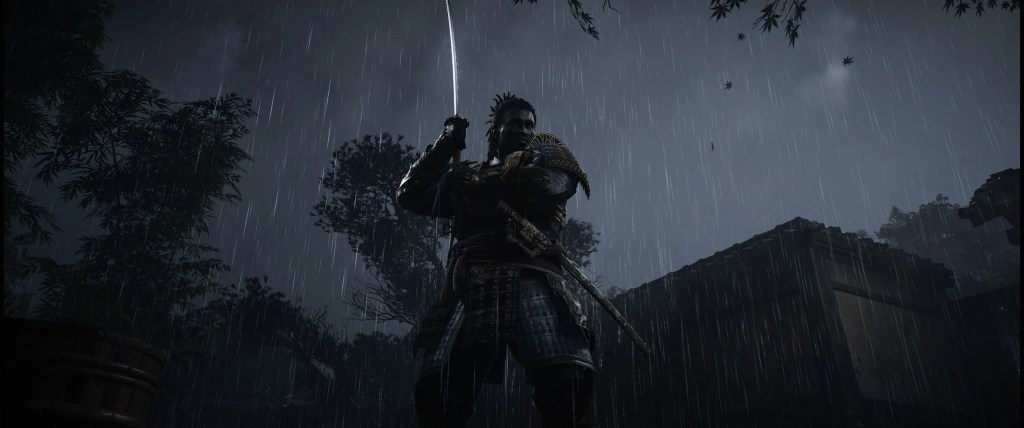
Dynamic weather and time-of-day systems go beyond visuals; they impact gameplay. A foggy morning might reduce enemy visibility, allowing for easier stealth infiltration, while a thunderstorm might mask the sound of your footsteps. Nighttime missions can offer better concealment, but some areas become more dangerous after dark as patrols change or elite enemies appear.
Together, these systems make exploration in Assassin’s Creed Shadows not just a means to an end, but a core part of the experience. The world isn’t just a backdrop it’s a fully interactive landscape that challenges, inspires, and surprises at every turn.
Quests and dynamic world events
In Assassin’s Creed Shadows, the quest system has been designed to feel alive and reactive, with every mission and event contributing to the immersive world of feudal Japan. The game blends tightly written narrative quests with emergent events that happen organically as you explore. This creates a dynamic environment where the world doesn’t wait for you it evolves alongside your actions.
Rather than relying solely on markers and checklists, quests unfold through conversations, overheard rumors, and real-time consequences. Whether you’re following the main storyline or simply traveling across the countryside, you’ll encounter situations that feel meaningful and grounded, drawing you deeper into the lives and struggles of the people around you.
Main story missions and choices
The central narrative of Assassin’s Creed Shadows is delivered through a series of powerful story missions that explore political manipulation, rebellion, and personal transformation. These quests often place you in morally complex scenarios do you assassinate a corrupt lord in public to send a message, or deal with them quietly to avoid backlash?
Player choice plays a major role in how missions unfold. Dialogue trees, tactical approaches (stealth vs. combat), and even which protagonist you use can affect the outcome. Decisions carry weight they may change alliances, open or close questlines, or impact how the world responds to your presence. NPCs remember your actions, townsfolk spread stories, and rebel factions may rise or fall based on your leadership.
Story missions also tie closely into the game’s core themes of honor, freedom, and duality. Missions often differ in tone and objective depending on whether you play as the shinobi or the ronin, with each perspective adding layers to the story.
Random events civilian interactions and mini-stories
Beyond the main quest, the world is filled with spontaneous events that feel natural and unforced. You might stumble upon a group of villagers under attack by bandits, a merchant arguing with samurai tax collectors, or a child searching for a lost family heirloom.
These small moments aren’t just filler they enrich the world with personality and offer minor rewards, clues, or relationship-building opportunities. Some may even evolve into longer chains of side quests with emotional payoffs or reveal hidden layers of the world’s lore.
Civilian interactions are also more robust. You can blend into crowds, earn trust, or cause panic depending on your behavior. Helping citizens may lead to new allies, informants, or shelter points, while causing unnecessary violence may provoke suspicion or fear.
This blend of scripted missions and unscripted moments gives Assassin’s Creed Shadows a fluid, living-world feel. Every corner of the map holds potential for narrative discovery, and every choice big or small can ripple outward, changing how the story is told and how the world remembers you.
Armor and gear progression
In Assassin’s Creed Shadows, gear progression plays a vital role in shaping both the look and performance of your character. The armor system is designed not just to increase your defensive stats, but to support your chosen playstyle whether that’s silent infiltration as the shinobi or bold, confrontational swordplay as the ronin. Each set of gear offers distinct bonuses, and players are encouraged to experiment with combinations that reflect their tactical preferences.
Unlike previous entries where loot was largely stat-based, Shadows ties gear progression more closely to crafting, exploration, and story progression. Unlocking and upgrading armor involves gathering rare materials, completing specific quests, and uncovering hidden blueprints spread across Japan. This ensures that each upgrade feels earned and impactful, encouraging deeper exploration and engagement with side content.
Crafting unique armor sets
Armor sets in Assassin’s Creed Shadows are thematically tied to regions, factions, or historical inspirations. Players might find a stealth-focused shinobi outfit hidden in a remote temple, or earn a legendary samurai cuirass by defeating a rival warlord. These sets don’t just change your character’s appearance they modify gameplay.
Crafting is handled through local smiths and artisan guilds found in villages and safe zones. You’ll need to gather specific materials like rare metals, cloth, and animal pelts, many of which are tied to unique regions or events. The system encourages exploration and rewards those who complete world events or hunt legendary beasts.
Some armor sets also offer cosmetic variations, allowing players to dye fabrics, engrave metalwork, or attach trinkets. This level of customization ensures your character feels like your own, blending visual identity with gameplay efficiency.
Gear stats bonuses and passive effects
Each piece of armor contributes to a set of core stats such as defense, stealth, mobility, and resistance to elemental effects like fire or poison. But beyond raw numbers, gear in Shadows introduces passive abilities that can dramatically change how you approach combat.
For example, a shinobi cloak might reduce enemy detection speed and increase damage from behind, while a samurai chestplate could grant health regeneration after a successful parry. Some gear sets boost stamina recovery, enhance ranged weapon efficiency, or unlock special moves tied to certain weapons.
Set bonuses offer even more depth. Wearing a full set of matching armor might activate a unique skill or perk, like temporarily slowing time after a successful stealth kill or reducing stamina drain when using heavy weapons. Players can mix and match pieces, but committing to a full set often brings powerful synergies.
Gear progression is steady but meaningful you’ll feel a difference with each upgrade, but progression is balanced so that skill still plays a major role. Whether you value stealth, speed, or brute force, the armor system supports a flexible and rewarding approach to building your ideal assassin or warrior.
Skill trees and customization
In Assassin’s Creed Shadows, the skill tree system is designed to reflect the dual nature of the game’s protagonists: the stealthy shinobi and the honorable ronin. Each character has their own progression tree, filled with unique abilities that unlock new combat techniques, stealth maneuvers, or exploration tools. This separation not only reinforces their individual identities but also encourages players to specialize and experiment based on personal playstyle.
The customization options go far beyond simply choosing abilities. As you level up, you’ll earn skill points that can be spent in branching paths. These paths allow you to mold your version of each character whether you want a silent, ghost-like shinobi who never gets seen, or a ronin who can absorb heavy damage and counter enemies with precision.
Upgrades also often include passive effects that enhance certain tactics, like increasing critical hit chances from behind, reducing stamina loss during chained attacks, or enhancing speed while crouched. These layered systems make customization feel deeply personal and impactful.
Upgrade paths for each protagonist
The shinobi’s skill tree is heavily centered around agility, stealth, deception, and speed. Early unlocks focus on basic tools like faster silent takedowns or increased crouch movement. Deeper into the tree, you’ll find advanced abilities like vanishing in smoke after an attack or chaining multiple stealth kills in rapid succession.
On the other hand, the ronin’s path prioritizes strength, resilience, and technique. You might begin by unlocking improved blocking and parrying abilities, then progress toward stance switching, disarming enemies, or devastating area attacks that break enemy formations.
Both protagonists also share a few crossover abilities particularly related to exploration and survival but the core of their skills remains distinct, encouraging you to play both characters to their strengths.
Choosing builds based on playstyle
Your build choices will shape how the game feels. Players who enjoy quiet infiltration and patience may lean heavily into the shinobi’s stealth and gadget-based perks. Meanwhile, those who prefer head-on engagements, crowd control, and flashy duels will find the ronin’s path more satisfying.
The system supports hybrid builds as well for instance, focusing on the shinobi’s agility while also adding a few tanky survival perks from the ronin tree can result in a balanced, evasive assassin who’s also tough to kill.
Ultimately, Assassin’s Creed Shadows empowers you to define how each mission unfolds. Whether you’re eliminating enemies from the shadows or slicing through them in an honorable duel, your skill tree decisions ensure every encounter feels tailored and meaningful.
Hidden lore mythology and secret areas
Assassin’s Creed Shadows doesn’t just tell a grounded story of feudal Japan it also weaves in hidden lore, mythological references, and mysterious locations that reward the most curious explorers. True to the series’ tradition, the game balances historical reality with subtle layers of legend and symbolism, creating a rich world that feels both authentic and enchanted.
Scattered throughout the map are secret areas that often reveal deeper insights into the story’s underlying conflicts, ancient prophecies, and the role of the Assassins and Templars in shaping Japan’s fate. These moments aren’t always highlighted you have to look for them. Whether you stumble upon a forgotten shrine in a misty forest or decode an old scroll hidden behind a waterfall, these discoveries breathe life into the world beyond the main narrative.
Uncovering this hidden lore also adds context to the game’s central characters, their ancestry, and even their destiny. It connects Assassin’s Creed Shadows to the broader universe of the franchise, subtly referencing First Civilization artifacts, ancient technology, and long-lost knowledge buried in myth.
Asgard and other mythical realms
While Assassin’s Creed Shadows stays primarily rooted in historical Japan, it teases the presence of mythical elements especially through dream sequences, hallucinations, and hidden realms. Asgard, previously explored in Valhalla, returns here in a different form: more spiritual than literal, accessed through ancient rituals or special items.
These sequences aren’t just visual spectacles they often test players with symbolic challenges, combat trials, or puzzles tied to deeper philosophical themes like destiny, duality, and sacrifice. Exploring these mythical spaces gives players a break from the core world while offering rare gear or clues that tie into the central plot.
Expect references to Shinto deities, yokai legends, and celestial events. Ubisoft has taken care to respect cultural origins while adding the mystique that longtime fans of the series enjoy.
Shrines scrolls and collectibles
Scattered throughout every region are shrines that honor local spirits, sacred scrolls containing ancient teachings or coded messages, and hidden collectibles that slowly paint a fuller picture of the world. Shrines can often be used to earn buffs or unlock minor skill points if honored correctly, while scrolls deepen your understanding of the game’s factions and their hidden motives.
Collectibles range from traditional artwork to rare minerals and ceremonial weapons. Finding them isn’t just about completion many provide stat boosts or hints toward unlocking secret side content.
How to unlock hidden side content
To access much of the hidden content, players must complete optional objectives, decipher environmental clues, or revisit locations after certain story events. For example, some caves remain sealed until a specific time of day, or after you acquire a certain item through a side quest.
Keep an eye on world changes: towns under siege may open new ruins, characters might whisper rumors about haunted forests, and unlocking high reputation levels can reveal new dialogue paths that trigger hidden quests.
Using both protagonists’ abilities is also key only the shinobi can sneak into some ancient temples undetected, while the ronin might have the strength to open blocked entrances. Together, they unlock a deeper layer of the world that’s invisible to the average player.
In short, the secret content in Assassin’s Creed Shadows is designed for players who truly want to immerse themselves. It’s a reward for those who explore every corner, listen to every whisper, and piece together the puzzle behind the blades and shadows.
Post launch content and replayability
Assassin’s Creed Shadows is not just a one-time experience it’s designed for long-term engagement. Ubisoft has outlined a strong roadmap for post-launch content, ensuring players always have something new to explore, uncover, or challenge. Whether you’re a completionist aiming for 100% or someone who wants to revisit the world with new perspectives, Shadows offers meaningful reasons to return.
Replayability is baked into the very structure of the game. With dual protagonists, branching storylines, and moral choices, no two playthroughs need to be the same. Add to that hidden content, evolving world states, and endgame challenges, and you get a game that feels alive well beyond the main story.
Future DLCs and expansions
Ubisoft has a strong history of supporting its Assassin’s Creed titles with story expansions and seasonal content, and Shadows is no exception. While full details remain under wraps, leaks and early announcements point toward future DLCs exploring untold stories of feudal Japan possibly diving into mythical realms, historic battles, or new assassin characters from neighboring regions like Korea or China.
These expansions are expected to introduce entirely new areas, missions, and mechanics. Some may focus on continuing the arcs of the main protagonists, while others might introduce new playable characters, factions, or secret orders. Based on the scale of past titles, expect each DLC to offer several hours of additional gameplay, lore, and challenges.
Timed events and limited-time missions may also be included post-launch, giving players more incentives to return periodically. Ubisoft often integrates community-driven challenges and unlockables, which can further extend the game’s lifespan for dedicated fans.
New game plus and endgame activities
Once the story concludes, the world of Assassin’s Creed Shadows doesn’t end. Players can jump into a robust New Game Plus mode, carrying over gear and skills while facing stronger enemies, new encounter variations, and sometimes even alternate dialogues or choices.
Endgame activities include high-level strongholds, assassin contracts, and reputation-based side quests that were locked during the main story. These missions often test your full mastery of both stealth and combat mechanics and reward players with the most powerful gear and rarest cosmetics.
There may also be dynamic changes in the world post-main quest towns rebuilt, regimes fallen, or new threats rising in reclaimed territories. Exploring how your decisions impact these outcomes adds another layer of depth to replays.
Between future expansions, side content, New Game Plus, and evolving enemy zones, Assassin’s Creed Shadows ensures there’s always more to uncover. It’s not just a game to finish it’s a world to live in, rediscover, and conquer again and again.
 Assassin’s Creed Shadows Guide and Overview | Fan Resource